LSF and the Ministry of Primary and Secondary Education Build a Film Ecosystem for Student
Jakarta, April 30, 2026 — Throughout 2025, the Film Censorship Board of Indonesia (LSF RI) issued a total of 41,092 Film Censorship Approval Certificates (STLS), including those for films produced by vocational high school (SMK) students from various regions.
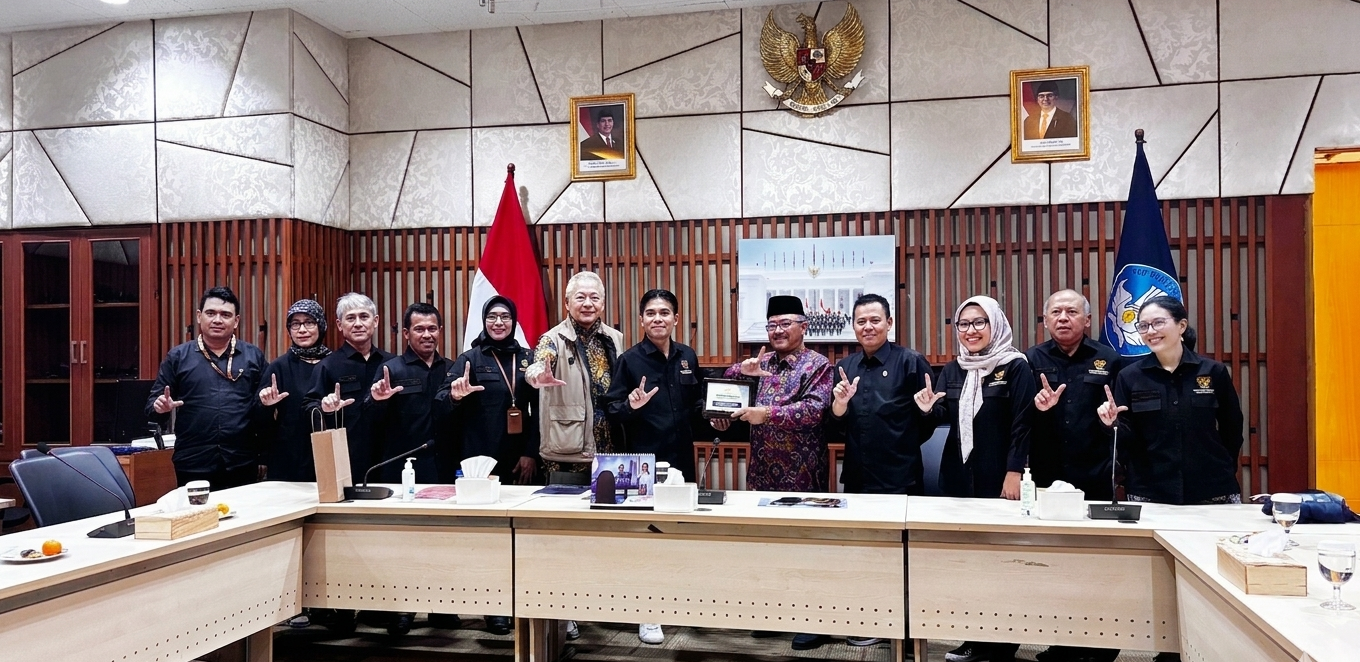
“Works created by SMK students are of good quality. We hope LSF will continue to motivate and encourage the issuance of STLS for student works related to film and animation, so that audience appreciation can expand, particularly for screenings in cinemas and over-the-top (OTT) platforms,” said LSF Chair Naswardi during an audience meeting with the Minister of Primary and Secondary Education, Abdul Mu'ti, at his office on Thursday (April 30, 2026).
LSF also presented its LSF Goes to School program, a literacy initiative that brings film industry practitioners—including actors, actresses, and production house representatives—directly to schools to promote awareness of audience age classification and age-appropriate viewing culture. It was also noted that in 2025, LSF, in collaboration with Institut Seni Indonesia Surakarta, conducted research in six major cities involving teachers, students, and film audiences as respondents.
One of the key recommendations is the integration of media literacy into the school curriculum, either through subjects such as Bahasa Indonesia and Information and Communication Technology (ICT), or through extracurricular activities. LSF is also currently working with the Badan Riset dan Inovasi Nasional to develop a blueprint for a film literacy model that can be adopted by teachers in schools.
Abdul Mu’ti welcomed the proposed collaboration between LSF and the Ministry, while also appreciating the quality of SMK student films, which he said have reached international standards. This includes works by students from SMK Kudus that have attracted the interest of foreign film producers. “If these films can be integrated as part of character-building materials and arts appreciation, that would be very beneficial. We will explore the mechanism together,” he said.
He also encouraged the production of short films with a duration of around five to seven minutes to make them easier to consume and distribute. These films could later be featured on the Ministry’s official website and the Rumah Pendidikan platform as part of public participation in developing educational content.
Abdul Mu’ti further emphasized the importance of content that reflects values such as brotherhood, cross-cultural friendship, and national identity, delivered in a simple and natural manner. He also suggested that LSF provide assessments for student film competitions within SMK, enabling more structured recognition for students. (Rosalinda/Nuz)