
LSF Holds Another Film Literacy Program and National Film Screening
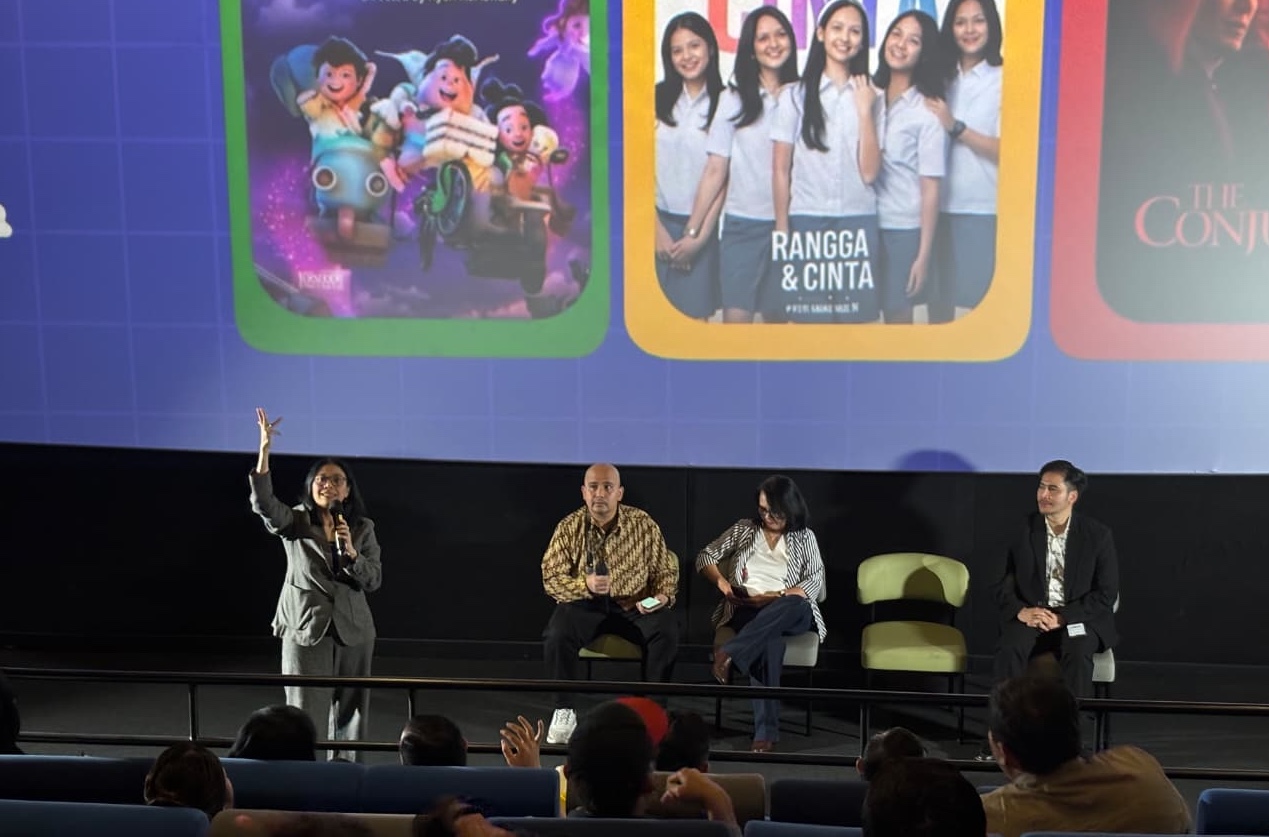
Jakarta, July 21, 2026 — To strengthen the culture of self-censorship, the Film Censorship Board of Indonesia (LSF) once again held a National Movement for a Culture of Self-Censorship (GNBSM) Literacy Program, combined with public screenings of the Indonesian films Jangan Buang Ibu and Takkan Kubiarkan Kau Menangis at a cinema in Depok, West Java, on Tuesday (July 21). The event aimed to increase public understanding of the importance of self-censorship while strengthening film literacy in the digital era.
The program was held simultaneously in two screening halls and featured speakers from LSF, academia, film organizations, and Indonesia’s film industry. LSF Chair Naswardi delivered a presentation on the culture of self-censorship, while Agung Saputra of LEO Pictures and Ferly Halim of Langit Pictures Indonesia shared insights into the creative process behind the Indonesian films featured in the screenings.
Naswardi emphasized the importance of fostering a culture of self-censorship in the digital era, as the public now has extensive access to online content that has not always undergone censorship or content filtering. The event was also attended by Deputy Mayor of Depok Chandra Rahmansyah.
“I appreciate the implementation of the GNBSM program. This initiative is an important step in strengthening public literacy through film,” Chandra said in his remarks.
Ferly Halim, director of Takkan Kubiarkan Kau Menangis, said that LSF’s audience age classification system provides valuable guidance for the film industry.
“Films are no longer just entertainment; they are also a medium for conveying messages. With film censorship and classification, we are better able to determine the appropriate audience for our films,” Ferly said. He added that Takkan Kubiarkan Kau Menangis received a 13+ age classification so that its message could be understood by audiences within the intended age group.
Through this program, LSF hopes that the culture of self-censorship will become part of the public’s habit of selecting appropriate content, enabling audiences to enjoy films more wisely and responsibly in accordance with the established age classifications. (Michelle Pangaribuan/Tin)